- What all are we likely to spot?
While we can’t guarantee spotting all these animals, they are the most commonly found ones on this herping trail from our prior experiences.
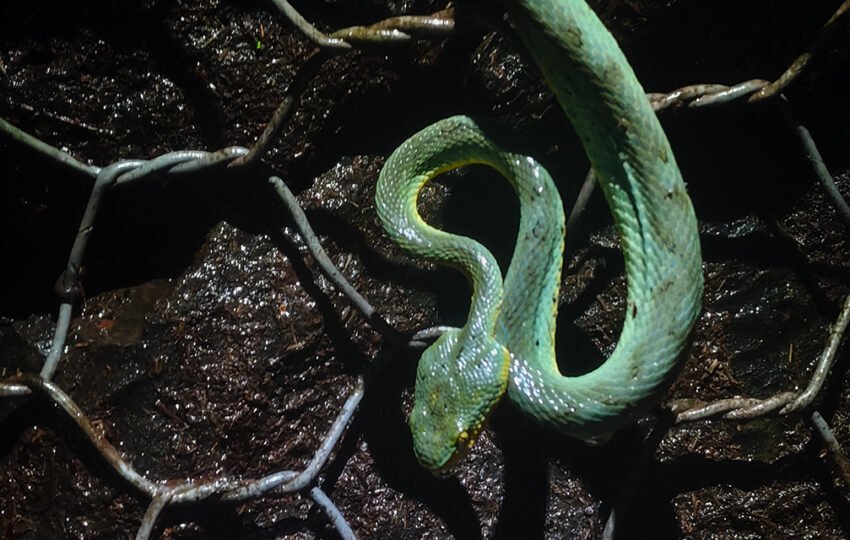
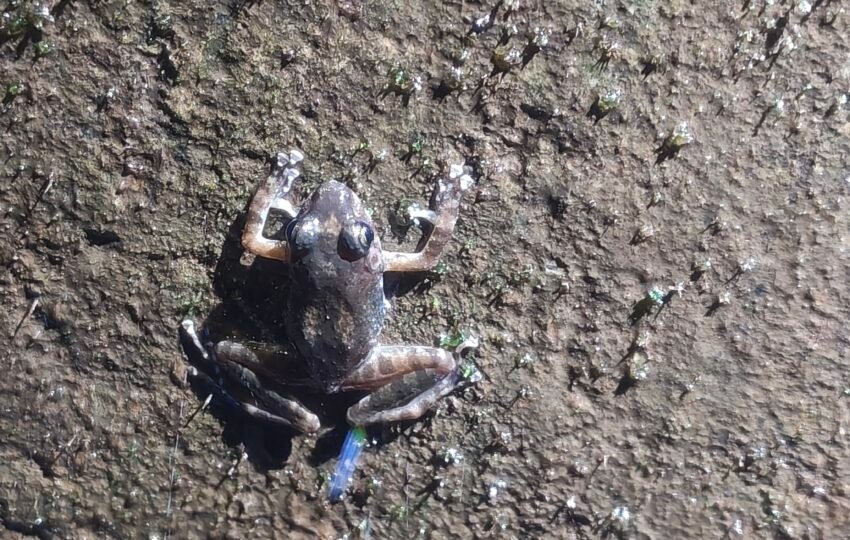
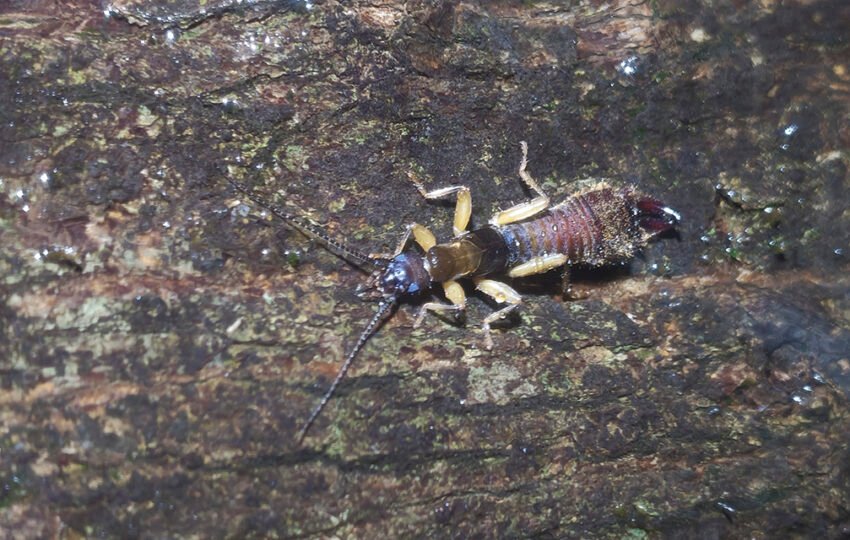
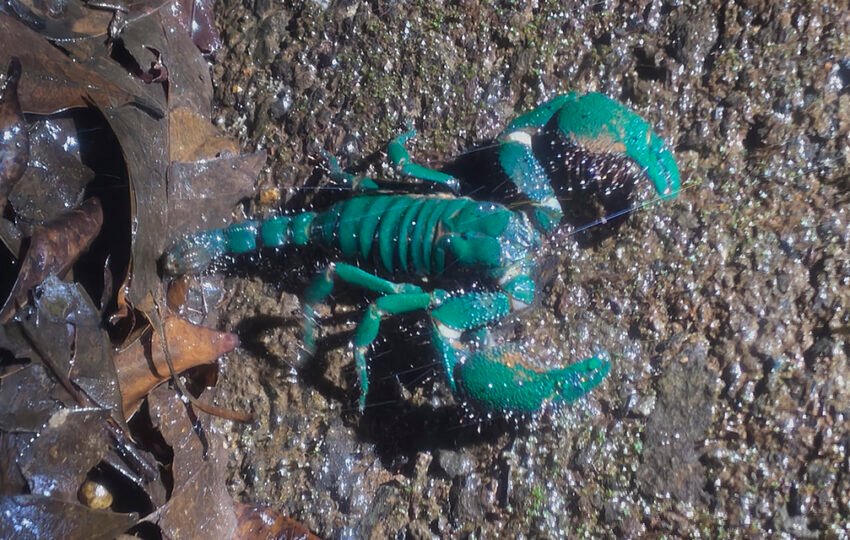
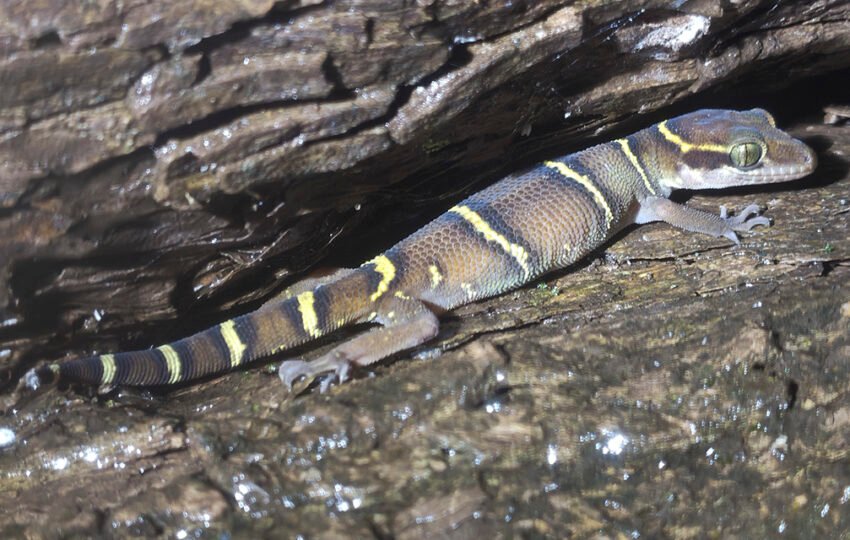
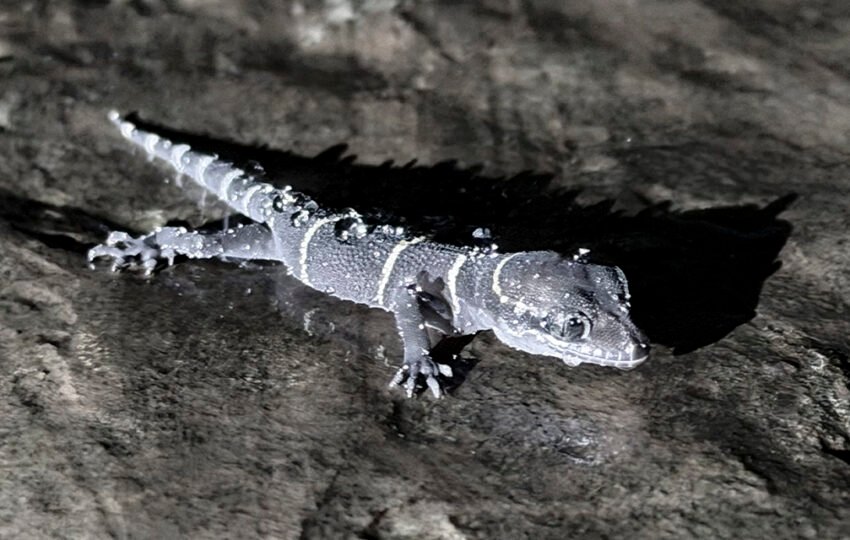
Brooke's House Gecko, Vine Snake, Bamboo Pit Viper, Deccan Ground Gecko, Bedomme’s Cat Snake, Indian Bullfrog, Leith’s Leaping Frog, Asian Common Toad, Fungoid Frog, Indian Balloon Frog, Indian Gerbil, Indian Dot Frog, Earwigs, Darkling Beetles, Moths, Asian Forest Scorpion, Wolf Spiders, Indian Giant Squirrel, Russell’s Viper, Saw-scaled Viper, Common Krait,
Bombay Night Frogs, Chequered keelback, Wolf Snake, Spiny-headed Fan-throated lizard, Amboli Bush Frog, Bombay Bubble Nest Frog, Brahminy Blindsnake, Giant Spotted Gecko, Bombay Earth snake/Shieldtail
- Isn't it dangerous to walk through these forests in the middle of the night?
Our walks are carefully planned and conducted with local guides and Vagabond EMs who know the route and its wildlife well. Before we begin, we'll brief you on safety protocols, trail etiquette, and how to behave around wildlife. Most importantly, we move slowly, stay together as a group, and respect the forest, significantly reducing unnecessary risks.
As with any outdoor activity in a natural environment, there are inherent risks. However, by following the instructions shared by us and maintaining a respectful distance from wildlife, we ensure the experience is as safe as it is enriching.
- Aren't we disturbing the wildlife while they're asleep?
Interestingly, many of the species we're hoping to observe aren't asleep at all—they're nocturnal. Frogs, geckos, snakes, spiders, insects, and several other animals become most active after sunset, especially during the monsoon.
Our approach is built around observing rather than interfering. We maintain silence, use our lights responsibly, avoid handling or disturbing wildlife, and spend only brief periods observing an animal before moving on. The goal isn't to get the perfect photograph—it's to witness these incredible creatures behaving naturally in their own habitat.
- How is this walk ethical and sensitive towards wildlife?
Responsible wildlife observation is at the heart of this experience. We follow a simple philosophy: leave nothing behind, take nothing away, and disturb as little as possible.
We stay on designated routes, avoid touching or handling wildlife, minimise noise, use lights responsibly, and never alter an animal's behaviour for a better view or photograph. If an animal shows signs of stress, we move away immediately.
This experience is designed to build appreciation and understanding of the incredible biodiversity of the Western Ghats while ensuring the wellbeing of the wildlife always comes first.
- Why are we travelling all the way to Matheran? What's so special about this forest?
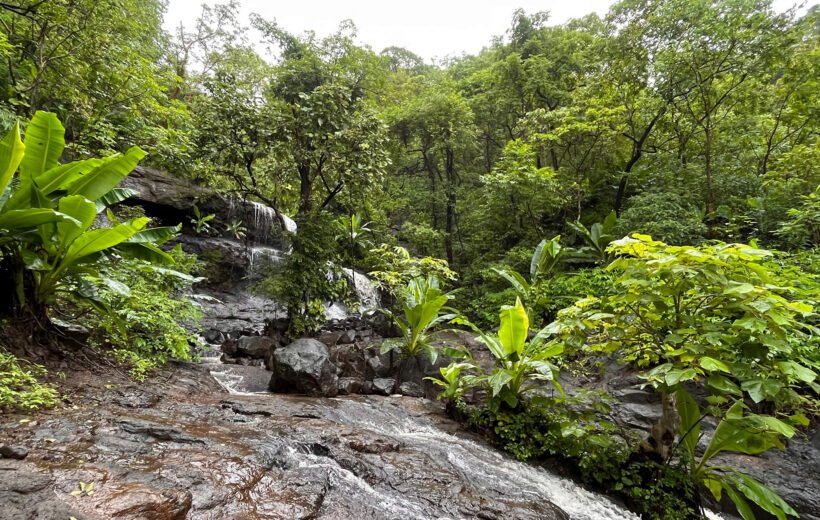
Matheran lies within the northern Western Ghats—one of the world's biodiversity hotspots. Its evergreen forests, unique elevation, and monsoon climate create ideal conditions for a remarkable variety of amphibians, reptiles, insects, spiders, and other nocturnal wildlife, many of which are endemic to this region.
Being relatively less disturbed than forests closer to the city also makes it one of the best places near Mumbai to experience the hidden world that comes alive after dark.
- Is it legal to enter this forest at night?
Yes. We don't venture into the forest blindly. Every walk is accompanied by a local villager who knows the area intimately, and our team conducts a recce before each event to plan the route based on current conditions. We ensure that the route avoids any restricted or sensitive areas and is suitable for conducting the experience responsibly.
- What precautions are being taken to ensure this walk is safe?
Your safety, as well as the well-being of the wildlife, is our highest priority.
To ensure a safe experience:
- We keep group size small.
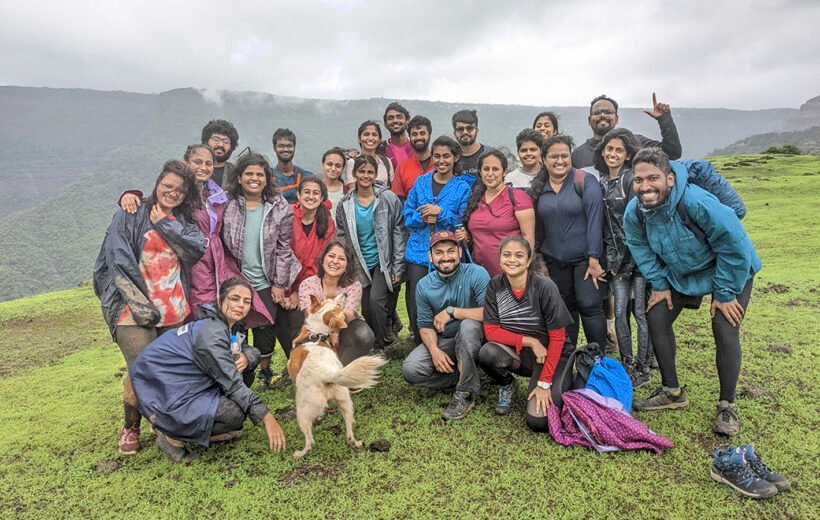
- The walk is led by Vagabond Experience Managers and local guides who are familiar with the route and its wildlife.
- We carefully select the route based on pre-event recces and prevailing conditions.
- A detailed safety briefing is conducted before the walk begins.
- Participants are expected to stay with the group and follow all instructions throughout the experience.
- Basic first-aid support is available throughout the walk.
By combining local knowledge, responsible practices, and a slow, observant approach, we're able to create an experience that is both safe and respectful to the forest.